Full article about Valhelhas: Where the Bell Echoes Then Silence
Valhelhas, Guarda: hear the lazy bell, hike glacial stones, taste Serra da Estrela cheese in a 303-soul village
Hide article Read full article
The bell in the tower counts time as if it had nowhere else to be: one stroke, two lazy after-beats, then nothing. The note drifts uphill, shivers the olive groves and expires on the N232 that brings weekenders up from the Mondego valley. When the echo dies the place folds back into its own stillness – not ecclesiastical hush, but the sort mountain people no longer notice.
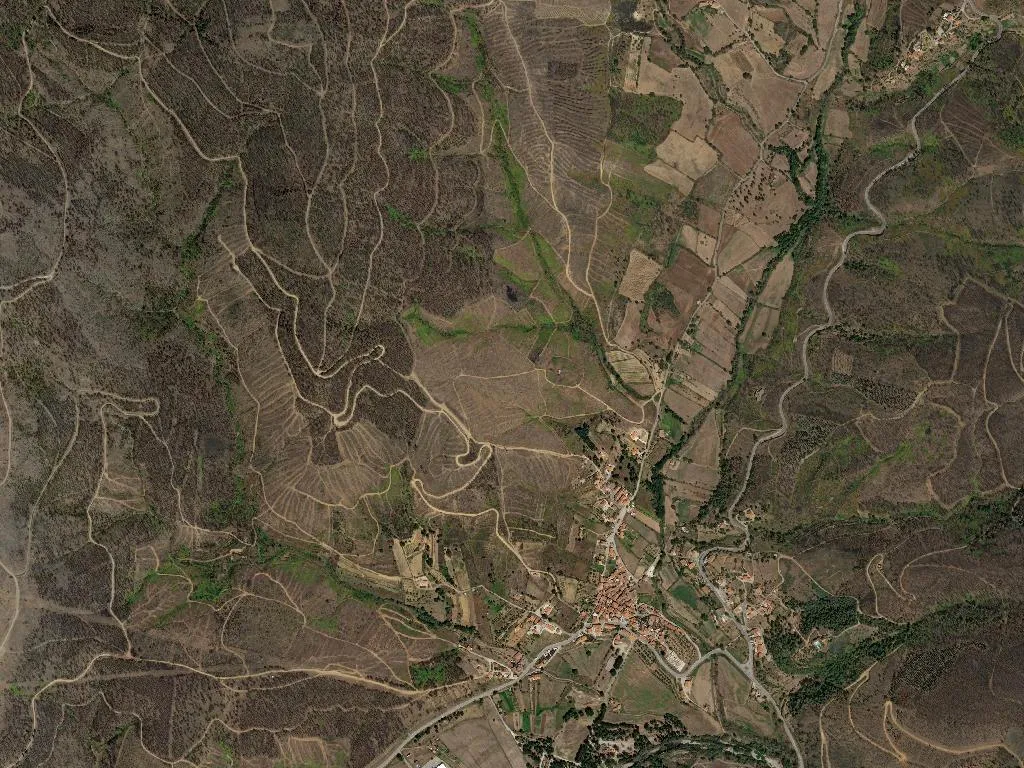
Valhelhas perches at 582 m, sandwiched between folds the Moors labelled “al-Valas” and the centuries have since shortened. Population 303, minus two whenever Sporting Club de Portugal play away and the Martins uncles drive to the city for the match. Officially it is a village; in practice it is the sitting-room everyone who stayed forgot to leave.
A church that refuses the camera
The thirteenth-century mother church accepted a Baroque gilding a few centuries later, like a dowager tolerating costume jewellery. Entry is free; hats are not. The granite walls stay January-cold even in August – perfect for cooling a head that has over-indulged in Zé Manel’s red. Mass is skipped on Mondays because the priest doubles as supply-teacher in Gouveia; use the morning to stock up on Serra da Estrela cheese at the market there and you will be forgiven.
Stones that remember ice
The landscape is an open geology primer: Ordovician schist, glacial erratics, quartz veins that spark under a hammer. The Geopark trail begins behind the cemetery – follow the yellow dashes and ignore your phone, the signal wanders off like a bored magistrate. Take water; only the Malhada spring still flows. The others gave up in the drought of 2017 and elders still complain as if it were yesterday. Meet Sr António with the chestnut-wood stick and ask for the “cat rock”; he will show you where the glacier pressed ears into stone.
What the cow doesn’t eat, we do
The cheese has not changed since the first Friesian learned the altitude: Serra da Estrela DOP, cured in Zé Manel’s cellar, and requeijão so loose it slides off the bread before you can catch it. Lamb goes into the wood oven at nine on Sunday; arrive at ten and you get the bone and a sermon on local politics. The broa is the colour of wet earth and weighs like a cricket bat – dunk it in olive oil, don’t apologise. White wine disappears; the red makes you sign the visitor book. Order “two fingers” in the tasca: the glass is thimble-sized, but Zé Manel’s fingers are shovel-wide.
Waymarks for the unhurried
The yellow arrow of the Caminho de Santiago slips into the village, circles the washing-tank and exits above the primary school. Pilgrims shrug off rucksacks, refill bottles and ask for Wi-Fi. There isn’t any. There is, however, a wooden bench under a cork oak. Wait twenty minutes and Sr Faustino will arrive to dissect colonial Africa, or his granddaughter will demonstrate TikTok dances. Walk another thirty minutes and the valley is yours alone; pack a jacket – the mountain wind arrives like a mother-in-law, unannounced and opinionated.
When the afternoon clocks off
At half-past six the light applies a handbrake: first it gilds the olives, then varnishes the schist roofs with honey, then simply snaps off. The air smells of split oak and neighbour’s wood-smoke – the signal that soup is on. If you still need a bed, try Dona Alda’s house: two spare rooms, breakfast of pumpkin jam and a compulsory slideshow of her engineer grandson. Do not ask for air-conditioning; ask for an extra blanket and listen to the manufactured quiet – the only product Valhelhas exports overnight.
Valhelhas will not flatter your Instagram. It enters by other routes: stomach, calves, eardrum. When you drive away the bell will toll again – not farewell, but a reminder: here time does not pass, it settles like stones in the stream-bed.